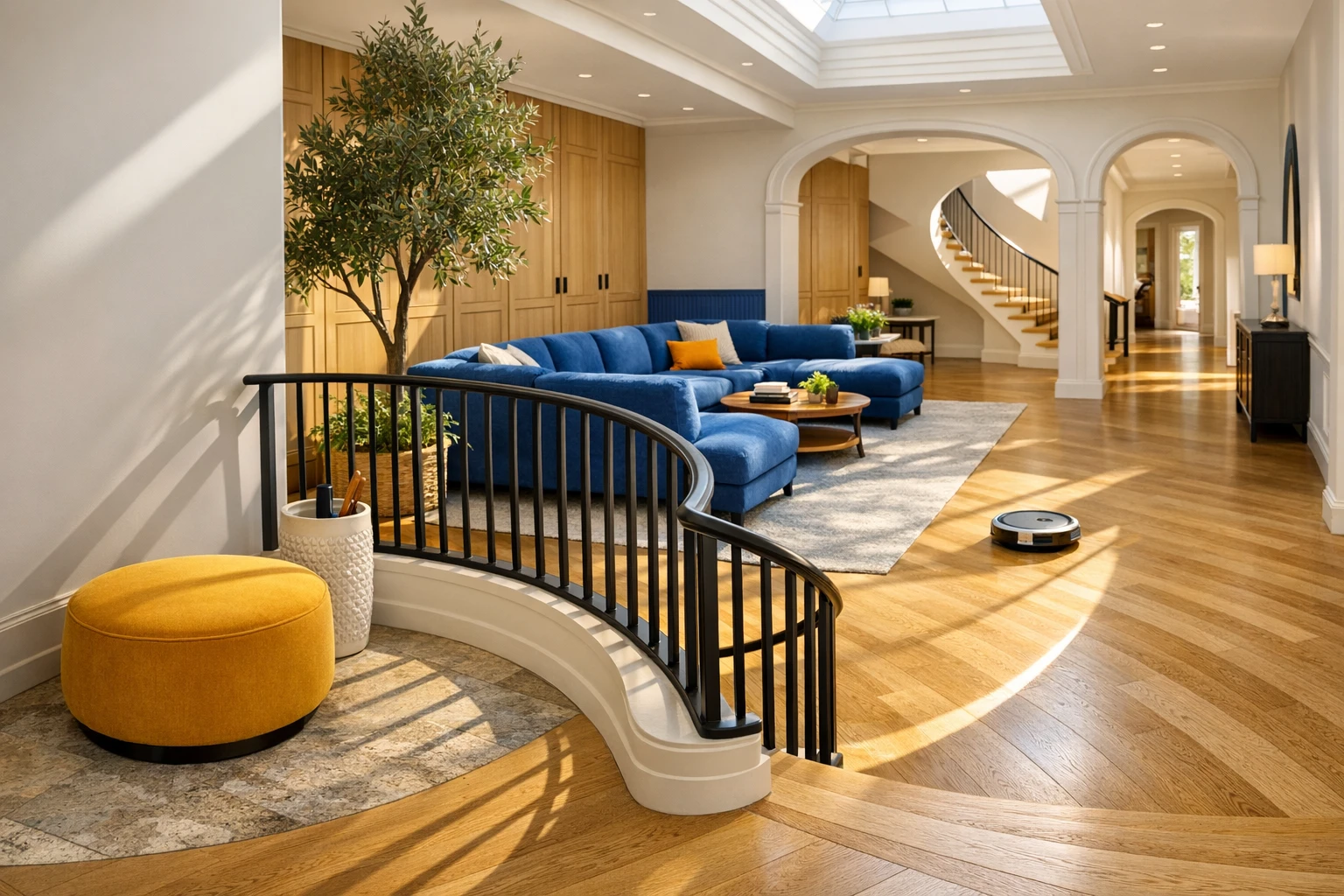
Want Your Apartment to Stay Clean? Do These 4 Simple Things Daily
Why Tiny Daily Moves Beat Occasional Marathons: An Outline and a Mindset Shift
Staying on top of home care is less about heroic weekend scrubs and more about consistency. Research on attention and stress shows visual clutter competes for cognitive resources, nudging up anxiety and slowing decision-making. That’s why a few small, repeatable behaviors deliver greater payoff than sporadic deep cleans. In this article, we’ll map a system you can follow without burning out, anchored by simple daily cleaning habits that help maintain your space. Before we dive deep, here’s a quick outline to guide your reading and action.
– Section 1: Why daily micro-actions compound, plus a snapshot of the method
– Section 2: Decluttering cues and easy ways to keep your living area organized
– Section 3: Efficient surface care, tools, and practical tips for a tidier home environment
– Section 4: Storage systems and a grounded review available options for home organization
– Section 5: A sustainable weekly rhythm and conclusion tailored to apartment living
If you live in a smaller apartment, every square foot matters. Each item visible on counters and floors raises the “noise floor” of your home, so we want to reduce friction at the source. Start with a micro-routine you can complete in under 10 minutes daily: reset living surfaces, gather out-of-place items into a catch-all basket, run a quick sweep or vacuum of high-traffic paths, and spot-wipe the kitchen and bathroom splash zones. Over a week, those minutes stack up to hours saved and a steadier baseline of cleanliness.
To keep motivation steady, pair routines with anchors already in your day. Wipe the bathroom mirror after brushing teeth, straighten cushions after your morning coffee, or sweep the entry before you hang your keys. Visual checkpoints help: if a surface isn’t used for food prep or active work, it should be mostly clear. Measure progress by how quickly you can “reset” spaces; if a room takes longer than five minutes to restore, you’ve found a decluttering opportunity. Think of this as preventive maintenance for your mood and your square footage.
Declutter First: Streamlined Spaces That Practically Clean Themselves
Nothing accelerates cleaning like owning less and storing with intention. Studies on decision fatigue show that fewer choices make tasks quicker; the same principle applies to physical stuff. Start with a simple sweep: remove duplicates, relocate seasonal items, and give every daily-use object a home within one or two steps of where you use it. This puts you on a glide path toward easy ways to keep your living area organized without adding complicated rituals.
Work room by room, front to back. In the entry, empty pockets into a shallow tray, hang a bag hook, and place a low-profile shoe rack near the door. In the living room, clear the coffee table to one decorative item plus a coaster set, and use a lidded basket to corral remotes and chargers. Kitchen counters should host only daily appliances; everything else lives in a cabinet grouped by task—brewing, baking, meal prep—so you can grab and go. The bedroom thrives on symmetry and simplicity: two nightstand items, closed storage for out-of-season clothing, and under-bed bins sized to glide without snagging rugs.
– Keep/Relocate/Release method: sort in short bursts, 15 minutes per category
– One-in, one-out rule: when something new arrives, an old item exits
– Visibility test: only display items that serve daily life or genuine joy
– Proximity rule: store things at the point of use to reduce stray clutter
Container choice matters, but containers can’t fix overflow. Size bins to the shelf, prefer opaque for visual calm, and label edges, not tops, so you can see names when stacked. Use vertical airspace: shelf risers, back-of-door racks, and wall-mounted hooks free precious floor area and make vacuum passes faster. Once traffic lanes are clear and surfaces simplified, five-minute resets become realistic. The payoff is not just aesthetics—less visual friction means faster routines, fewer lost items, and a living area that supports your day rather than stealing minutes from it.
Fast, Effective Cleaning Routines and the Tools That Multiply Your Effort
With decluttering underway, your cleaning moves can be short, strategic, and satisfying. Surfaces collect dust and oils at different rates, so match frequency to need: daily for kitchen counters and sink, every other day for bathroom splash zones, weekly for mirrors and baseboards, and as-needed for windows. Focus on high-touch points—handles, switches, remote controls—because they host frequent contact and grime even when they look fine. This section centers on practical tips for a tidier home environment that avoid overwork while keeping hygiene standards steady.
Build a portable caddy so you never chase supplies mid-task. Include microfiber cloths (color-coded by room), a gentle all-purpose solution, a glass cleaner, a scrub sponge, and a detail brush for tight edges. Microfiber reduces cleaning time due to its split-fiber structure that grips particles, letting you use less product and elbow grease. For floors, a lightweight vacuum with a hard-floor setting and a compact, wringable mop make quick passes painless. Keep a handheld scraper for stubborn spots like stovetop caramelization; it’s safer and faster than excessive scrubbing.
– Sequence matters: top to bottom, dry to wet, clean to dirty
– Two-cloth method: one damp for lift, one dry for streak-free finish
– Dwell time counts: let cleaner sit 60–90 seconds on soap scum before wiping
– Zonal resets: kitchen in the morning, bath at night, living room before bed
Timeboxing keeps tasks humane. Set a five-minute timer per zone; if it’s not finished, park it and resume tomorrow. This preserves willpower and proves that light, regular effort delivers compounding returns. Consider small upgrades that cut routine time—mat at the entry to trap grit, splash guards near the range, and squeegee in the shower to minimize hard-water deposits. These micro-preventions shrink weekly chores. When combined with consistent routines, you’ll notice your place looks “clean enough” most days and never snowballs into a stress bomb.
Storage That Works: Choosing Systems You’ll Actually Use
Organization systems fail when they’re prettier than they are practical. The goal is to reduce friction at the moment you reach for or put away an item. Start by auditing pain points: overstuffed drawers, teetering stacks, or pantries where ingredients hide until they expire. Then, review available options for home organization through the lens of frequency and accessibility: what needs to live at arm’s reach, and what can be archived higher or deeper?
Think in layers. Daily-use items deserve open containers on lower shelves; weekly-use items fit in labeled bins; rare-use or seasonal gear can go higher, deeper, or under furniture. Clear containers aid visibility but can create visual noise; opaque bins calm the look but require confident labeling. Fabric baskets are forgiving and quiet; rigid bins stack neatly and waste less vertical space. Lidded containers contain dust in closets; open-top bins promote speed in living spaces where you don’t want to fight lids.
– Vertical helpers: floating shelves, tension rods under sinks, over-door baskets
– Zone maps: sketch a shelf diagram and label edges for quick restocks
– Modular bins: size to the shelf depth to avoid dead space
– Mobile carts: roll-between stations for art supplies, cleaning gear, or pantry overflow
Furniture with storage earns its footprint. Choose ottomans with compartments, slender console tables with drawers, or a bed frame with integrated drawers to reclaim cubic inches. For renters, adhesive hooks and removable wall systems create flexible hanging solutions without drilling. In kitchens, insert shelf risers to double usable levels and file pans vertically with dividers. In closets, a second tension rod can instantly double hanging space for shorter garments. The metric to watch is “seconds to put away.” If a system lowers that number, you’ll sustain it, and your rooms will stay orderly with less conscious effort.
Weekly Rhythm and Long-Term Ease: A Lifestyle That Sticks
A clean apartment isn’t a destination; it’s a rhythm you can hum along to without thinking. Build a weekly reset that supports your daily micro-moves: one laundry cycle, one kitchen deep zone (like the oven racks or the fridge door bins), and one floor-care focus (edges and under furniture). Keep it time-bound—90 minutes total across the week—so you avoid the all-or-nothing spiral. Chunk tasks into calendar slots you already protect, such as right after a grocery run or before a favorite show, and you’ll stitch care into your life without resenting it.
Seasonality matters. Do a light quarterly audit to release items you didn’t use, refresh entry rugs that trap grit, and swap linens based on weather. For apartment dwellers tight on storage, compression bags for off-season textiles and under-bed bins keep closets calmer. Keep a donation box at the ready; when it fills, schedule a drop-off that week. The aim isn’t perfection; it’s predictable ease. Track how quickly you can return each room to ready—if the time creeps up, that’s your cue to declutter or simplify a system.
– Protect your entry: sturdy doormat outside, absorbent mat inside, small boot tray
– Automate reminders: calendar pings for filters, batteries, and quarterly audits
– Reward the reset: play a favorite playlist, brew tea, or light a candle when finished
Ultimately, a clean home is a lifestyle amplifier. It protects bandwidth for work, rest, and connection, and it makes hospitality less stressful because your default is already close to “company ready.” Start small, stay steady, and let the space you live in become a quiet ally. With a few guardrails and regular attention, your apartment will feel lighter, your routines will shrink, and you’ll gain back time you didn’t realize was leaking into the dust pan.