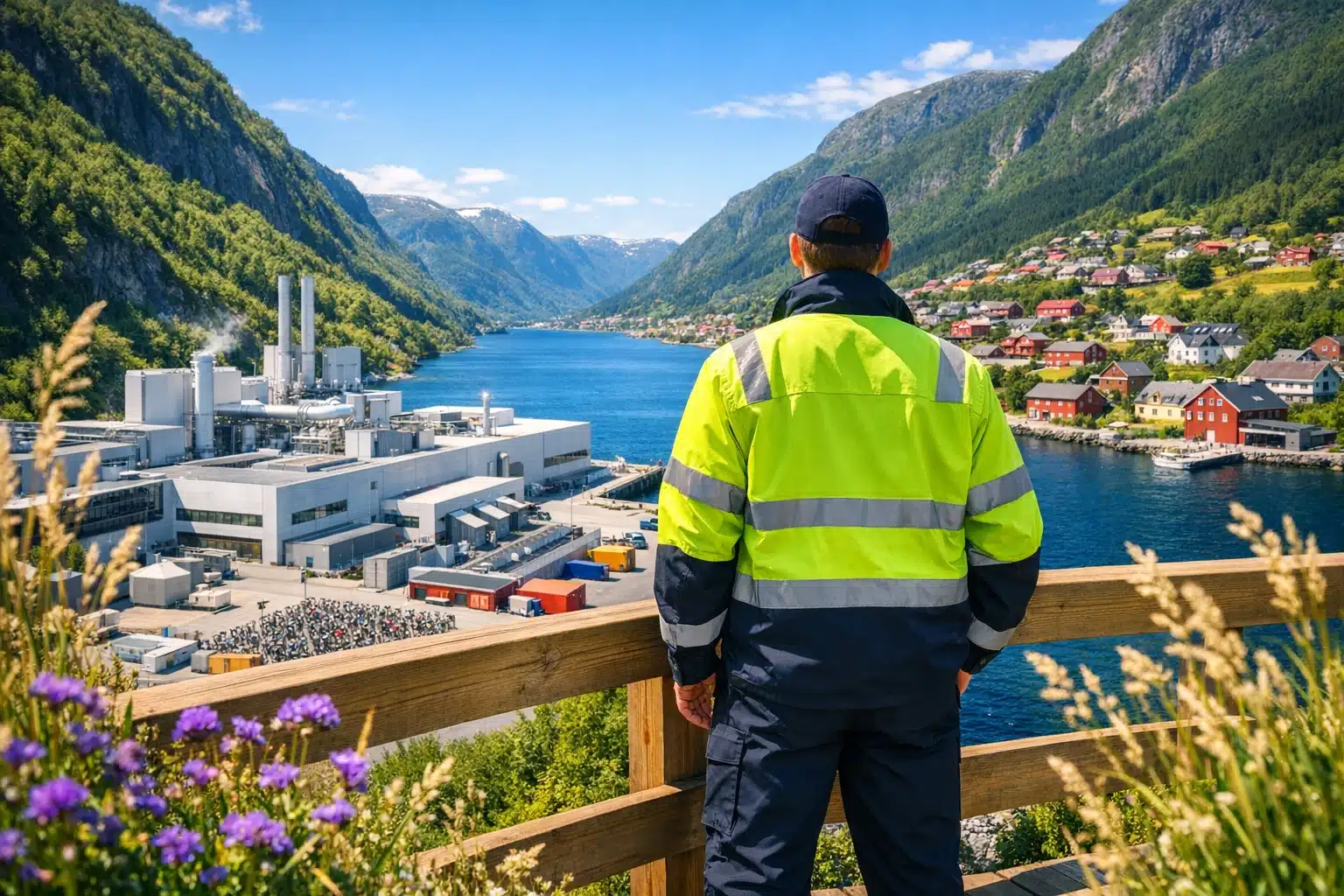
Read Full Guide On Working in Norway as a Factory Worker
Why Norway Appeals to Factory Workers and What This Guide Covers
Thinking about leaving home for steadier work, better pay, and a new routine can feel exciting one minute and overwhelming the next. Norway often enters that conversation because its factories and industrial employers are known for structured schedules, strong safety standards, and a labor system that takes contracts seriously. For many workers, the appeal is not only higher earnings, but the chance to build a more predictable future in a country where order, training, and work-life balance are part of everyday working life.
Factory jobs in Norway can be found in seafood processing, food manufacturing, metal work, ship-related industries, warehousing, packaging, and other production environments. The country is not the largest manufacturing economy in Europe, yet it offers something many workers value just as much as volume: consistency. In practical terms, that can mean formal contracts, regulated hours, paid leave, and clearer rules around overtime than workers may have experienced elsewhere. At the same time, moving abroad is never only about the job. It is also about paperwork, housing, transport, language, weather, and the small daily adjustments that quietly shape whether a new start feels sustainable.
This article is designed for people who want a grounded introduction rather than a glossy fantasy. It looks at the process from the first thought of applying to the reality of settling in after arrival. Along the way, it compares opportunity with responsibility, because both matter. A decent salary can look impressive on paper, but it means more when you understand how much rent, food, and commuting will cost in Norway.
To make the path easier to follow, the guide is organized around five practical themes:
- why factory work in Norway attracts international workers
- visa rules, qualifications, and job search strategy
- the application process and how to present yourself well
- working conditions, benefits, salaries, and monthly expenses
- culture, communication, and adaptation after arrival
Think of this as a map before the journey begins. You still need to check official immigration rules and employer requirements, because details can change, but a good map saves time, reduces bad assumptions, and helps you ask better questions. That matters when the goal is not simply to work abroad for a season, but to build a stable chapter of life in a new country.
Visa Requirements, Qualifications, and Smart Job Search Strategies
Before sending applications, it helps to understand a simple truth: being interested in Norway is not the same as being eligible to work there. Your first checkpoint is legal status. Citizens of EU and EEA countries generally have a more direct route to employment and residence registration, while applicants from outside the EU and EEA usually need a residence permit tied to work. That often means receiving a concrete job offer before the permit process can move forward. Because immigration rules are updated from time to time, the most reliable source is the Norwegian Directorate of Immigration, usually referred to as UDI.
Discover the essential steps to secure a factory job in Norway, from visa requirements to job search strategies.
Eligibility is only one part of the equation. Employers also want workers who can contribute safely and consistently. In many factory settings, formal academic credentials are less important than practical experience, physical stamina, attention to safety, and the ability to follow instructions. If you have worked in production, machine operation, food handling, packing, forklift driving, or quality control, those details should be highlighted clearly. Certifications can strengthen your profile, especially if they relate to machinery, warehouse work, hygiene standards, or occupational safety.
Language is another consideration. Some employers accept English in international teams, particularly in larger industrial environments, but basic Norwegian can still improve your chances. Even learning simple phrases for directions, safety warnings, and common workplace terms can show initiative. It also makes daily life easier outside work, from shopping to reading letters from public agencies.
A practical job search usually combines several channels:
- official Norwegian job portals and company career pages
- recruitment agencies that place industrial and warehouse workers
- LinkedIn and regional employer websites
- direct applications to factories in smaller towns where competition may be lower
Be selective and careful. A real employer should provide clear job details, contract terms, and lawful hiring steps. Be cautious with anyone asking for suspicious fees, unclear processing payments, or private financial information too early. The strongest strategy is built on verified vacancies, updated documents, and patience. In work abroad decisions, rushing often costs more than waiting one extra week to verify the opportunity.
How the Application Process Works and How to Improve Your Chances
Once you have identified realistic openings, the next challenge is presenting yourself in a way that fits Norwegian employer expectations. The process is often more orderly and document-focused than many first-time applicants expect. Employers usually want a clean CV, a short and relevant cover letter, references when available, and proof that you can legally work or apply for the correct permit. In factory hiring, clarity often beats creativity. A hiring manager should be able to scan your application and quickly understand what equipment you have used, what shifts you have worked, and what safety responsibilities you handled.
Find out how to navigate the application process for factory positions in Norway and increase your chances of success.
A strong CV for factory work should emphasize practical strengths rather than vague claims. List your previous employers, job titles, dates, core tasks, and measurable responsibilities. If you operated machines, mention the type. If you worked with packaging quotas, inventory, or cold storage, say so directly. If you have experience with hygiene standards, hazard reporting, or team-based production lines, include that as well. These details help employers picture you on the floor, not just on paper.
The cover letter should be brief but purposeful. Explain why you are applying in Norway, what relevant experience you bring, and why you are suited to the specific role. Avoid generic language that could fit any job in any country. A targeted letter feels more credible than a polished but empty one. If the role mentions shift work, quality control, or strict deadlines, address those points specifically.
Interview preparation matters too. Even for entry-level factory positions, you may be asked about:
- availability for day, evening, or night shifts
- experience with repetitive physical work
- understanding of safety rules and protective equipment
- ability to work in teams with multicultural staff
- reasons for choosing Norway
References can make a real difference. A former supervisor who can confirm punctuality, discipline, and reliability may strengthen your application more than an extra paragraph in a cover letter. Keep digital copies of certificates, passports, work records, and training documents ready for submission. Most of all, stay organized. Track where you applied, when you applied, and what each employer requested. In international job searches, success often comes from disciplined follow-up rather than luck alone.
Working Conditions, Benefits, Salary Expectations, and the Real Cost of Living
For many applicants, the practical heart of the decision comes down to this question: what will daily work actually feel like, and will the income justify the move? Norway generally has a strong reputation for regulated labor practices, especially around safety, contracts, and employee rights. That does not mean every job is easy. Factory work can still be physically demanding, repetitive, cold in some sectors, noisy in others, and tiring during peak production periods. But the difference many workers notice is that expectations and protections are more clearly defined than in less regulated markets.
Learn about the working conditions and benefits for factory workers in Norway to make informed career decisions.
Common working conditions include scheduled shifts, paid breaks depending on the arrangement, mandatory safety routines, and employer-provided protective equipment in many workplaces. In unionized or well-structured settings, workers may also benefit from overtime rules, holiday pay, sick leave protections, and pension-related contributions. Specific benefits vary by employer and contract, so reading the written offer matters more than relying on hearsay from online forums.
When it comes to salary, exact figures depend on industry, region, experience, shift patterns, and whether the role includes technical duties. Publicly available salary data and labor market reports often place many industrial and production roles in a broad range from roughly NOK 200 to NOK 270 per hour, with some positions lower, some higher, and shift or overtime work affecting total pay. Annual income can therefore vary widely, but many full-time factory workers aim to understand earnings in relation to housing and transport before accepting an offer.
Understand the salary expectations and cost of living for factory workers in Norway to plan your finances effectively.
Norway is expensive, and this is the part no serious guide should hide. Rent in Oslo and other larger cities is often far higher than in smaller industrial towns. Groceries, eating out, and everyday services can also surprise newcomers. A useful monthly budget should include:
- rent and deposit
- electricity and internet
- food and basic household goods
- local transport or car costs
- winter clothing and work-related extras
- emergency savings
Sometimes a slightly lower salary in a smaller town can leave you with more money at the end of the month than a higher salary in a costly city. That is why comparing net income against local expenses is smarter than focusing on wage headlines alone. In finance, as in factory work, the details do the heavy lifting.
Cultural Adaptation, Daily Life, and a Practical Conclusion for Newcomers
Even when the contract is signed and the travel date is set, the real adjustment begins after arrival. Work abroad success depends not only on employment, but on how well you adapt to the local rhythm. Norway can feel calm, direct, and highly organized. For some people, that is a relief. For others, it takes time. Workplace culture often values punctuality, modesty, independence, and clear communication. Managers may seem less hierarchical than in other countries, and colleagues may expect you to take responsibility without constant supervision.
Explore the cultural aspects of working in Norway as a factory worker and how to adapt to a new environment.
In practical terms, adaptation starts with small habits. Arrive on time. Follow safety instructions closely. Ask questions when unsure, but do not expect endless reminders. Respect shared spaces such as break rooms and changing areas. If a supervisor gives feedback, it is usually intended as part of efficient teamwork rather than personal criticism. Many international workers find that once they understand the direct style, the workplace feels fair and predictable.
Outside the factory, life may be quieter than expected, especially in smaller towns. Winters can be dark, cold, and emotionally challenging for newcomers from warmer climates. Social life may unfold slowly, and Norwegians are sometimes described as reserved at first. Yet reserved is not the same as unfriendly. Trust tends to build through consistency. Showing up, doing your work well, and respecting boundaries often earns more respect than trying to impress people quickly.
A few adaptation tips can make the transition smoother:
- learn basic Norwegian phrases for work and daily errands
- register promptly with the relevant local authorities after arrival
- open a bank account and understand your payslips and taxes
- budget for winter clothing before the cold season begins
- build a routine that includes rest, exercise, and contact with family
Conclusion for Aspiring Factory Workers
If you are considering Norway as your next workplace, approach the move with equal parts ambition and preparation. The opportunity can be real: structured jobs, safer conditions, and income that may support long-term goals more effectively than work in less regulated environments. But the move works best for people who research carefully, budget honestly, and understand that adaptation is part of the job.
The first weeks may feel like stepping into a landscape made of steel, cold air, early shifts, and unfamiliar systems. Stay patient. Verify your documents, choose employers carefully, understand the full cost of living, and treat cultural learning as a skill rather than an obstacle. For workers willing to prepare well, factory work in Norway can become more than a temporary contract; it can become a stable and worthwhile turning point.